I saw the term future shock for the first time this week; it’s “the feeling of too much change in too short a period of time”. And that hits home. I’ve been feeling very overwhelmed lately, and I blame a good amount of this on the current state of the tech industry.
The landscape seems to leap forward every day. New tools, new frameworks. If you haven’t augmented your workflow with AI by this point you’re apparently doomed. But I’m starting to doubt that technology changing is the reason for the overwhelm.
I was born in the early 90s so I experienced first hand the switch from analog to digital. I had most of my cringe years before everyone had cameras in their hands all the time. I played outside with my friends but also sat inside playing video games with them online. Change is not new for me.
So why does the term “future shock” feel so relevant? Is it just that I’m frustrated by the pace of change, or is it something else? I want to reflect on tech’s impact on me over the last twenty years of my life to understand why.
2006
High school. Puberty. That awkward age where you realise the things you like are cringe, so you redefine yourself time and time again to fit in with the people around you.
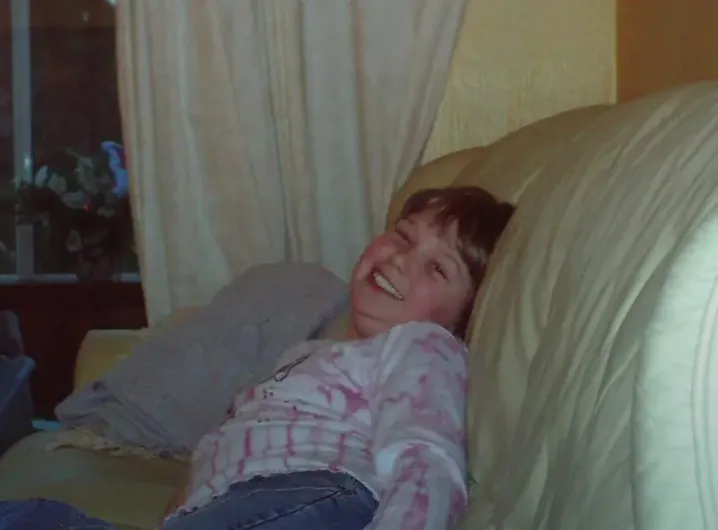
My only social media was Neopets. I was downloading MP3s from websites and burning my own CDs to put in my walkman. I had a chunky pink Nintendo DS, and remember being mind-blown that you could trade Pokémon with strangers over the internet. In IT lessons we’d play Flash games on the computers. One of my friends brought their iPhone to school and we’d spend ages drinking pretend beer out of it.
Everything at this point felt experimental and exciting. Touch screens were still magic. Colour screens on handheld devices were new. I wanted it all.
2011
Sixth form. Uni anxiety. Getting comfortable with the fact that I’m a weird little nerd, and I should be who I am instead of trying to be anyone else.
I could keep chatting with my friends after school through MSN and Facebook. My favourite website was Tumblr. I played yet more video games; Mincraft was huge even then, and I got my first current gen console (XBOX 360) so could catch up on all the games I’d missed as a kid.
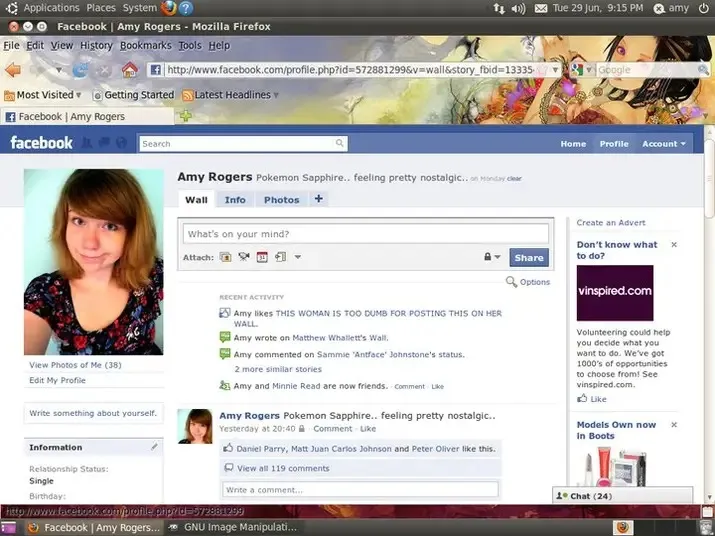
Looking back I think this was the peak time for tech. Connecting with people was easier than ever. You could watch hours of YouTube and not see a single pre-roll advert. Everyone online was a person. A real human. In the screenshot above you can see adverts in the side panel, but this was about as invasive as things got.
2016
Graduation. Starting a new chapter. My life as a student was over and now I was ready to find myself as an adult.
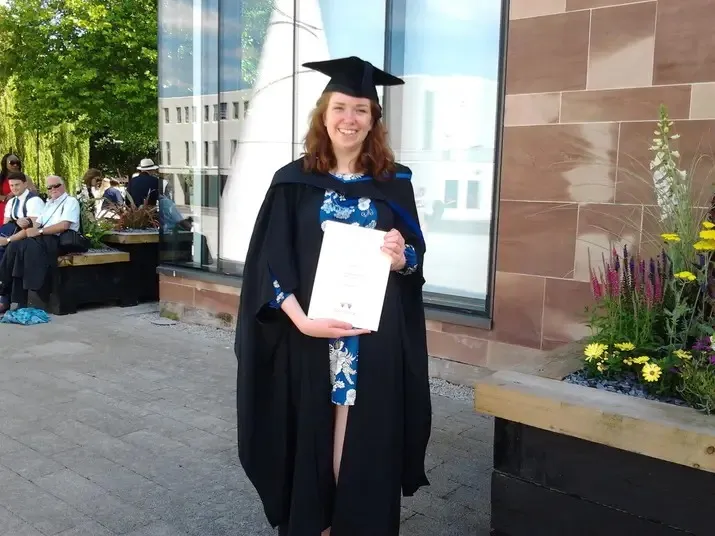
I got my first mobile data package so I could always be online. I encountered monthly software subscriptions. I got addicted to Instagram and the rush of getting likes from strangers. This was the time my phone became the “everything device” and I felt completely unstoppable.
This was also the year I discovered the tech scene in London. There was so much to learn, and so many things I wanted to try in my own work. I found that I love talking and teaching. Networking was stressful but recharging. Again I felt excited by the potential and how quickly I was growing.
Some time around here is where I think technical innovation started stagnating. Enshittification. Invasive advertising. Companies pretending to be people. Devices started “talking to each other” and sharing information but not many people thought about why they should do that.
2021
Covid-19. Isolation. Even after the lockdowns were lifted I suffered quite badly from re-entry anxiety. Leaving the house was a struggle. After a year of only speaking to one other human in person seeing new people really messed with my brain.
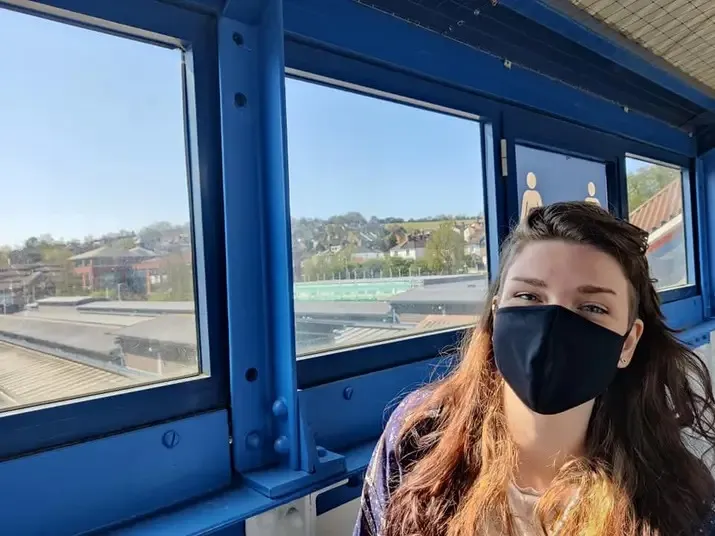
Remote work and meetings over Zoom became normal. Everyone can now make their own online courses (which is both very good and very not good). More enshittification. Short form video content became king. NFT monkeys, AI girlfriends, hustle culture snake oil bullshit.
Despite the negativity here, technology played a big positive part in my life here. Playing Animal Crossing on my Switch kept me calm and provided an escape from reality. I kept in touch with my friends and family even though I couldn’t see them in person, and I made new friends through online communities.
As a society we haven’t ever recovered from the damage of the pandemic. And we don’t want to talk about it. We lost something in this era that feels too big to put into words.
2026
Burnout. Overwhleming potential. Feeling self-aware and in control like I never have before, but also feeling raw and traumatised by it.
It feels to me like not much has changed since 2021, it’s just gotten more ubiquitous. More hustlers and conmen. More enshittification. An “inevitable” technological shift that hasn’t delivered even though people have been pushing it non-stop.
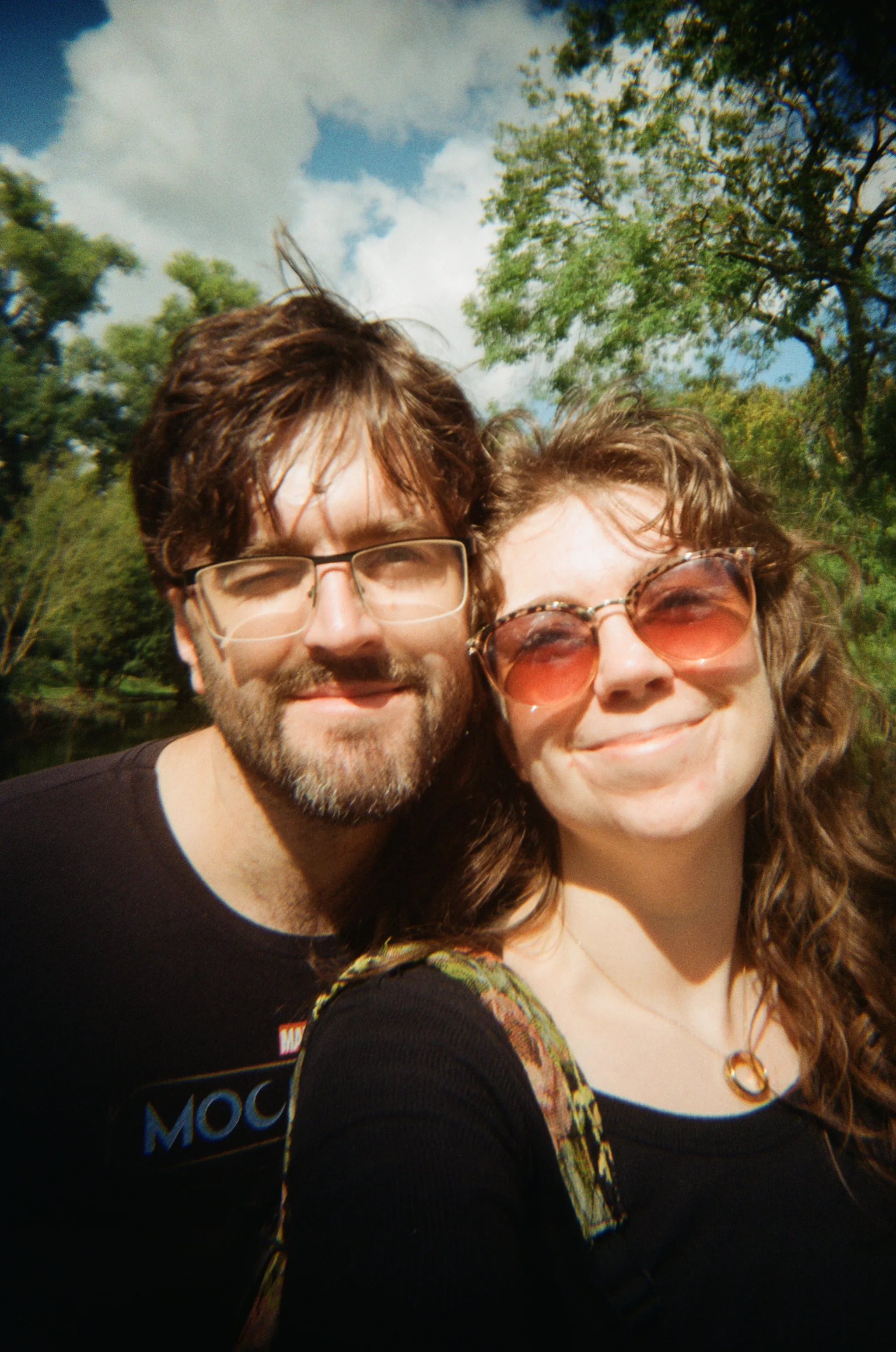
For me this has become a period of disconnecting. Leaning into physical hobbies like crochet and reading. Using a terrible 35mm film camera instead of my phone. Physical books and paper journals, and not checking social media as often as I used to. More in-person socialising and more days at home keeping to myself.
But at the same time not being able to escape the gravitational pull of the world. I work in tech, with tech, and I hadn’t ever considered not doing that. Despite its flaws there’s a lot of good going on, and I count myself lucky to be a part of it in my own way.
So is what I’m feeling future shock?
Yes, but not in the way I thought it would be.
This article is from 1994. Mary Eisenhart interviews Alvin and Heidi Toffler, husband and wife futurists and the authors of Future Shock. The whole interview is great. They talk about waves of societal change, inefficiency in hierarchical structures, and a worker’s power shifting from their labour to their knowledge.
I consider myself a knowledge-based worker. My value to a company is not in how quickly I type and click, or how many lines of code I write, but in how well I understand systems. How I solve problems. How I can bring my experiences from multiple fields together in incredibly helpful ways.
The promise of AI is to commoditise knowledge. They sell it as giving everyone the ability to do what professionals do, which undermines those workers’ power, which means you don’t have to pay them as much or treat them fairly. To quote Sam Altman:
We see a future where intelligence is a utility, like electricity or water, and people buy it from us on a meter.
Not only is this a dumb and psychopathic take, but it’s so dystopian. A single company owning the thinking process of humanity? It will allow companies like OpenAI to manipulate society’s knowledge and thoughts overall; that’s not my paranoia because we’re already seeing this happen with Google.
Another point from the interview with the Tofflers is information overload, and how it can lead to an inability to function. By looking back through my own experience with tech, I’ve noticed my agency over my consumption decreasing. Adverts and algorithms dictate what I see now, where before I would only see what I subscribed to. My digital fingerprints are all over the internet now, and companies use that to show me exactly what they want me to see.
So my future shock is not a result of technology moving too quickly, because that’s alerady been happening to me my entire life. It’s a result of a societal shift that disregards my free thought. That preys on my attention, and manipulates it. That treats people so terribly and continues to enshittify their experiences for shareholder value.
It explains my yearning for slow tech and soft living. For continuing to manually write code at work, even if it “slows me down”. A resistance to taking the convenient way out of things, because the struggle is often the valuable part of the experience.